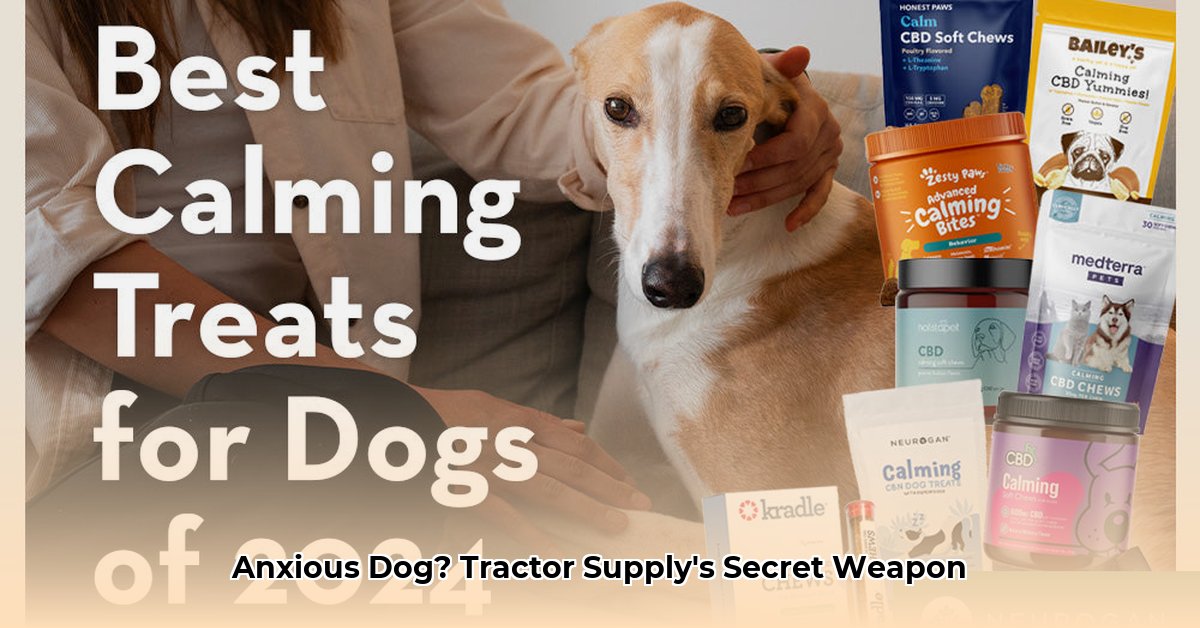
Understanding Canine Anxiety
Is your dog unusually fearful, exhibiting excessive barking, hiding, or destructive behaviors? These could be signs of canine anxiety, a prevalent issue affecting many dogs. Anxiety manifests differently in each dog; some tremble excessively, while others become withdrawn or overly aggressive. Underlying health issues can sometimes contribute to anxiety, so a veterinary checkup is crucial to rule out any physical problems. Severe cases may benefit from consultation with a veterinary behaviorist (a veterinarian specializing in animal behavior). For more information on canine anxiety, check out this helpful resource on dog food.
Types of Calming Aids for Dogs
Numerous options exist to help calm anxious dogs. These range from natural supplements and pheromone diffusers to calming vests and professional training.
- Calming Treats/Supplements: Many contain natural ingredients like chamomile, lavender, or melatonin, reputed for their calming properties. However, it's crucial to check ingredient lists for potential allergens and to consult your veterinarian before introducing any new supplements, especially if your dog is on medication.
- Pheromone Diffusers: These release synthetic canine appeasing pheromones (DAP), creating a calming scent in the environment, similar to the natural pheromones a mother dog emits to soothe her puppies.
- Calming Vests/Thundershirts: These snug-fitting garments apply gentle pressure, often soothing anxious dogs; this pressure can mimic the comforting sensation of being held or hugged.
- Veterinary Behaviorists: For severe or persistent anxiety, a veterinary behaviorist offers expert diagnosis and treatment, potentially including behavior modification techniques and medication.
Tractor Supply's Calming Treat Offerings
While specific Tractor Supply calming treat product details aren't available, the following guidance applies to any calming treat you consider for your dog:
- Ingredients: Prioritize treats with recognizable, natural ingredients, avoiding artificial colors, flavors, or preservatives. Look for known calming agents like chamomile or valerian root. Are there any potential allergens your dog might react to?
- Manufacturer Claims: Evaluate manufacturer claims realistically. Significant improvements usually don't happen overnight. Look for evidence-based claims or a history of positive results.
- Customer Reviews: Consider customer feedback, noting both positive and negative experiences. However, remember that anecdotal evidence alone isn't definitive proof of efficacy. Always cross-reference with veterinary advice.
- Veterinary Consultation: It's crucial to discuss any new supplement with your veterinarian before administration, especially if your dog takes other medications or has pre-existing health conditions. This prevents harmful interactions.
Choosing and Implementing Calming Aids
Selecting the right calming aid depends on your dog's individual needs and anxiety severity. Start with milder options before progressing to stronger interventions. For severe anxiety, a veterinarian or veterinary behaviorist is your best resource.
Step-by-Step Guide:
- Veterinary Consultation: Discuss your dog's anxiety with your vet to determine if a calming aid is suitable and to get tailored recommendations. Your vet can help identify underlying medical conditions and suggest safe dosages. Efficacy: This step significantly increases the likelihood of a positive outcome by ensuring the chosen method and dosage are safe and appropriate.
- Gradual Introduction: Begin with a small amount of the treat or supplement to assess your dog's reaction. Watch for allergies or adverse effects.
- Consistency and Patience: Results may not be immediate. Consistent use is essential for noticeable improvements.
- Combined Approaches: Combining calming treats with other methods, like a calming vest or pheromone diffuser, often enhances effectiveness.
- Careful Monitoring: Closely observe your dog for behavioral changes (positive or negative) and potential side effects after administering any calming aid.
Holistic Approaches to Anxiety Management
Calming treats are only one part of managing canine anxiety. A holistic approach combines environmental modification, exercise, mental enrichment, and training.
- Regular Exercise: Daily physical activity reduces stress and anxiety by burning energy and releasing endorphins. Tailor the exercise intensity and type to your dog's age and fitness level.
- Mental Enrichment: Interactive toys, puzzle feeders, and training sessions keep your dog mentally stimulated, reducing boredom-induced anxiety.
- Positive Reinforcement Training: Reward-based training builds confidence and teaches calming behaviors, ultimately reducing fear-based anxiety.
Conclusion
Addressing canine anxiety requires a multi-faceted approach. Combining appropriate calming aids like Tractor Supply's calming treats (always vet-approved), with a holistic strategy incorporating exercise, enrichment, and training, significantly improves your dog's well-being. Remember, your veterinarian is a crucial partner in this journey, providing expert guidance and support for your anxious companion. Don't hesitate to seek professional help for persistent or severe anxiety.